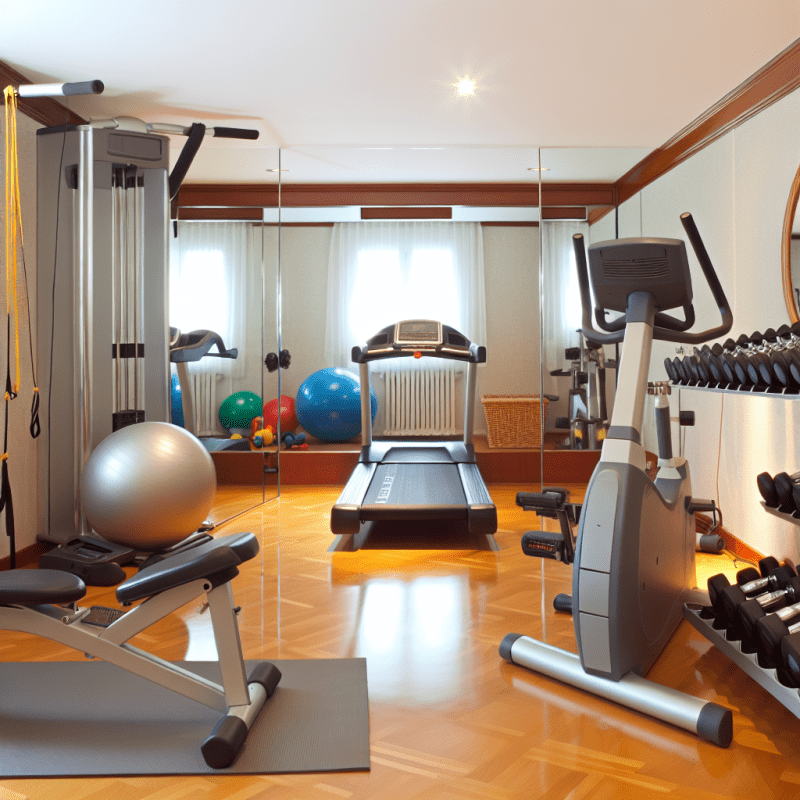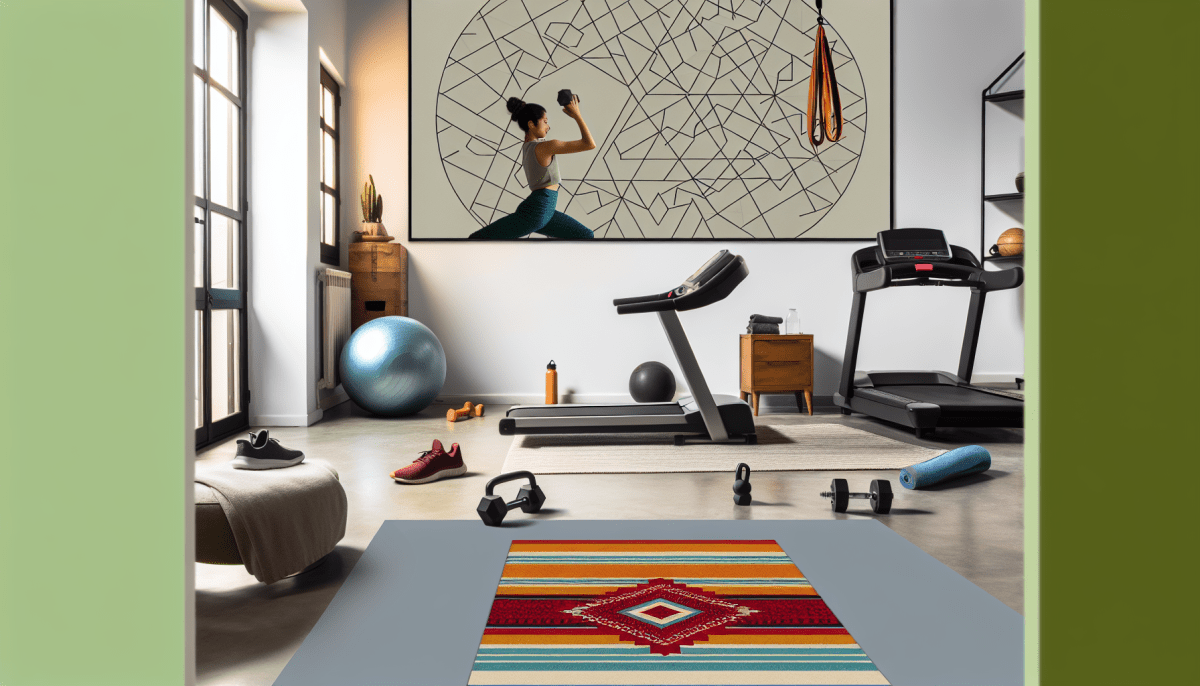
Creating a safe workout space at home is super important for making sure you can exercise without any worries. You don’t need a big fancy gym; just a little bit of planning can turn any corner of your home into a safe fitness zone!
Start by choosing a location that gives you enough room to move around. Clear out any furniture or objects that could get in your way. If you’re doing exercises that need extra space, like lunges or yoga, make sure you have at least a few feet of room on all sides. You don't want to trip over a stray shoe or bump into the coffee table.
Next, think about the flooring. If you’re working out on a hard surface, consider adding a mat. This can provide cushioning and helps prevent slips. If you’re on carpet, ensure it’s clean and free from clutter. A safe floor means a more enjoyable workout!
Lastly, keep your workout area well-lit. Natural light is great, but if you’re exercising at night, make sure you have enough lights so you can see what you’re doing. It helps to prevent falls and lets you focus on your routine without straining your eyes.
With these simple tips, your safe workout space will be ready in no time. Just a little effort goes a long way in making sure you can focus on your fitness goals without any concerns!
Use Proper Equipment for Safety
When you're working out at home, safety should always be your top priority. Using proper equipment plays a huge role in keeping you safe while you break a sweat. Whether you’re lifting weights or trying out a new fitness gadget, having the right tools can make all the difference.
Start with the basics. A good pair of workout shoes can provide the support your feet need, especially if you’re doing high-impact exercises. Look for shoes that offer cushioning and a solid grip. Also, if you’re doing strength training, investing in a good quality mat is essential. It gives you a stable surface to work with and can help prevent injuries.
Don’t forget about the weights! Make sure to choose options that match your fitness level. If you’re a beginner, lighter weights are safer and help build strength without straining your muscles. And, as you get stronger, gradually increase your weight. This way, you’ll avoid the risk of overexerting yourself.
Finally, let’s talk about equipment features. Whether it’s a resistance band, a stability ball, or a set of dumbbells, each piece of equipment should be in good condition. Check for any tears or wear and replace items that don’t seem safe anymore. Your safety is super important, so take the time to make sure everything is up to par!
Warm Up and Cool Down Right
When you’re working out at home, it’s super easy to skip the warm-up and cool-down. But trust me, taking a few minutes for each can make a big difference in how your body feels during and after your workout. Let’s break down why these steps are so important and how to do them right.
Warm-Up: Think of your warm-up as prepping your car before a long drive. You wouldn’t just hop in and hit the gas, right? Warming up gets your muscles ready and helps prevent injury. A good warm-up can include:
Cool Down: Just like you wouldn’t slam the brakes on your car, you shouldn’t skip your cool-down either. It helps your body transition back to its resting state and can reduce soreness. Here’s how to cool down effectively:
By warming up and cooling down, you’re not just being kind to your body; you’re also setting yourself up for more effective and enjoyable workouts. So, make it a habit to add these steps to your routine—you’ll thank yourself later!
Listen to Your Body's Signals
When you're working out at home, it’s super important to listen to what your body is telling you. Your body can be pretty good at giving you signs when something isn't quite right. If you're starting to feel pain—like sharp twinges or anything that just doesn't feel normal—it’s time to take a break or switch things up.
Pay attention to your energy levels too. If you’re feeling unusually tired or out of breath, that might mean you need to pace yourself. Remember, it’s okay to modify your routine, take a breather, or even take a rest day if needed. Staying safe is way more important than sticking to your planned workout.
Don’t forget about hydration and nutrition. If you’re feeling sluggish, it might just be that your body needs some water or a snack. Proper fueling can make a big difference in how you feel during your workout. Listen to those hunger pangs—they’re your body’s way of saying it’s time to refuel.
Finally, focus on your form. If an exercise starts to feel awkward or you can’t maintain good posture, that’s a signal from your body. Proper form not only prevents injury but also helps you get the most out of your workouts. It’s better to take it slow and do it right!